Fuel Manufacturing and Feedstocks
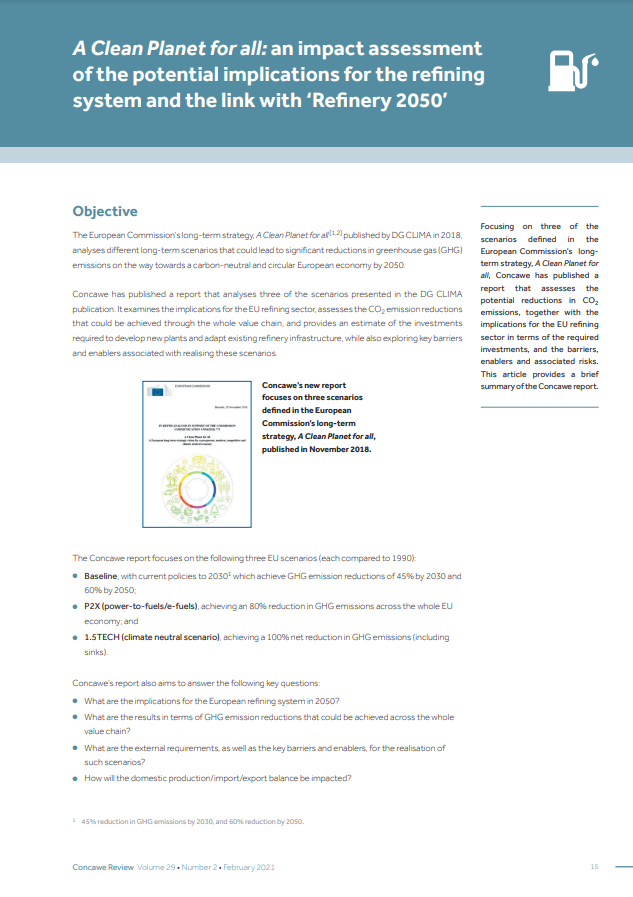
This section presents Concawe’s scientific work on fuel manufacturing, sustainable feedstocks, and fuel supply infrastructure in support of Europe’s evolving energy system. Fuel manufacturing is a critical component of Europe’s industrial value chains, supplying essential energy products and feedstocks for transport, chemicals, construction, agriculture, manufacturing, defence and other strategic sectors. As Europe pursues climate neutrality while maintaining energy security, industrial competitiveness, and resilience, Concawe develops scientific evidence to support understanding of how fuel manufacturing systems, emerging technologies, and alternative feedstocks may contribute to EU climate, environmental, economic, and energy policy objectives under evolving market and regulatory conditions.
In support of its climate neutrality ambitions, the European Union has introduced a wide range of policies affecting energy, transport and industry. These include measures to reduce greenhouse gas emissions, increase the deployment of renewable and low-carbon fuels, and strengthen Europe’s energy security and competitiveness. Understanding the implications of these developments is essential to support informed decision-making and the effective implementation of energy transition pathways.
Concawe’s activities in this area combine refinery and renewable fuel manufacturing modelling, life-cycle assessment, techno-economic analysis, sustainability assessment, and industry expertise. Building on its long-standing capability in modelling the European refining system, Concawe develops scientific evidence to support understanding of the opportunities, challenges, and trade-offs associated with fuel manufacturing transformation.
Fuel Manufacturing in Transition
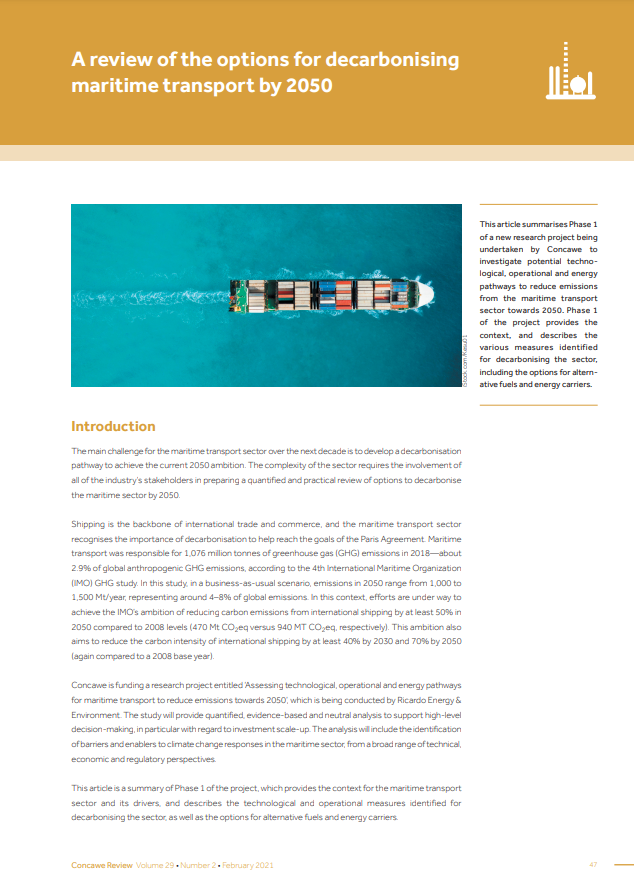
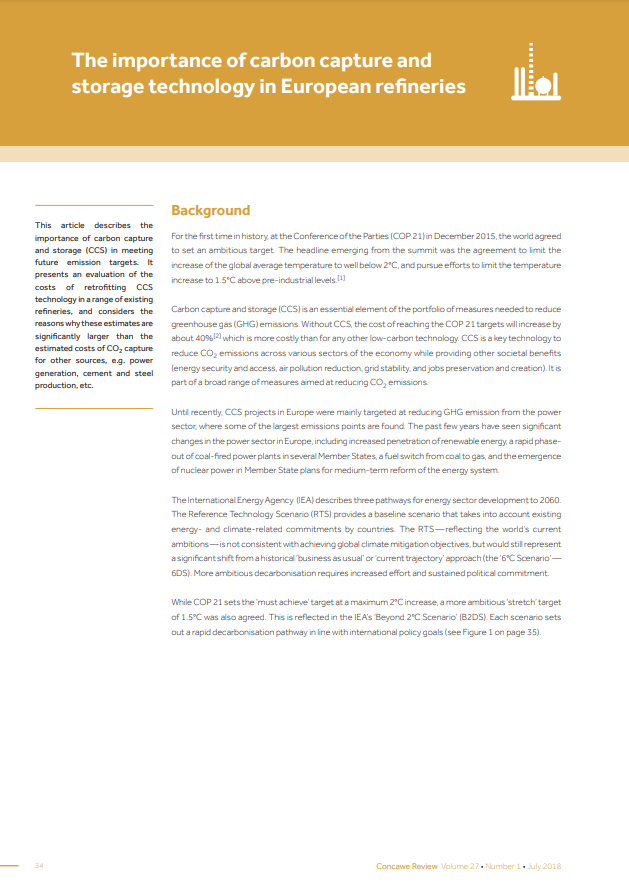
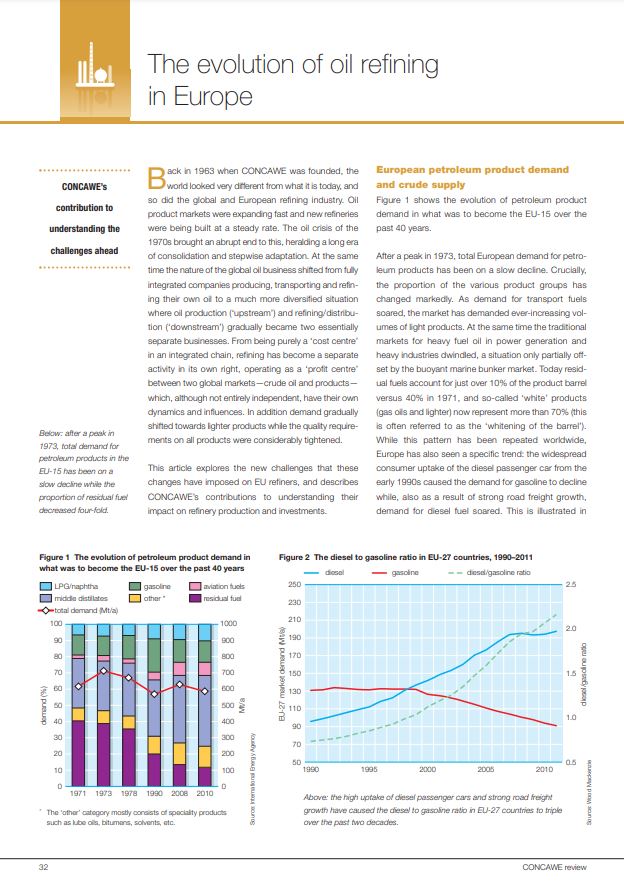
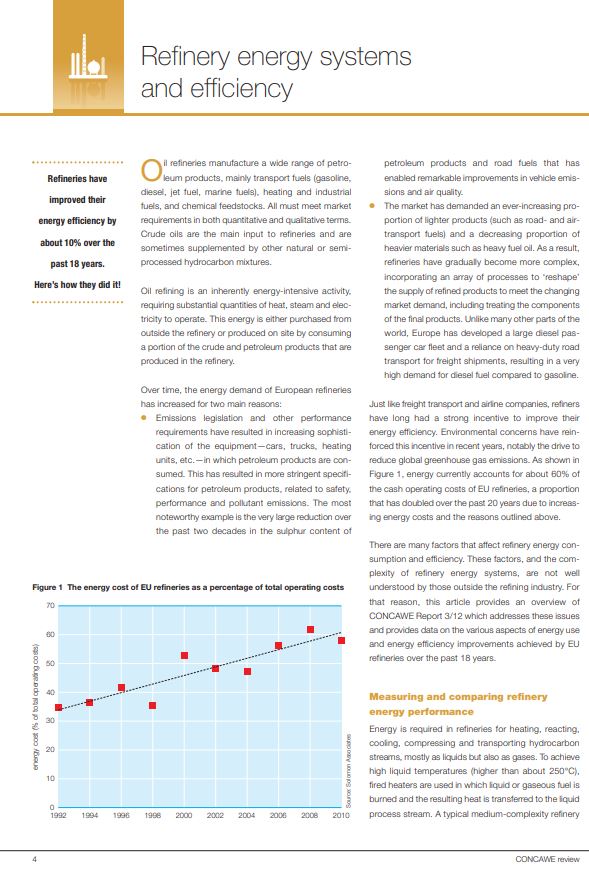
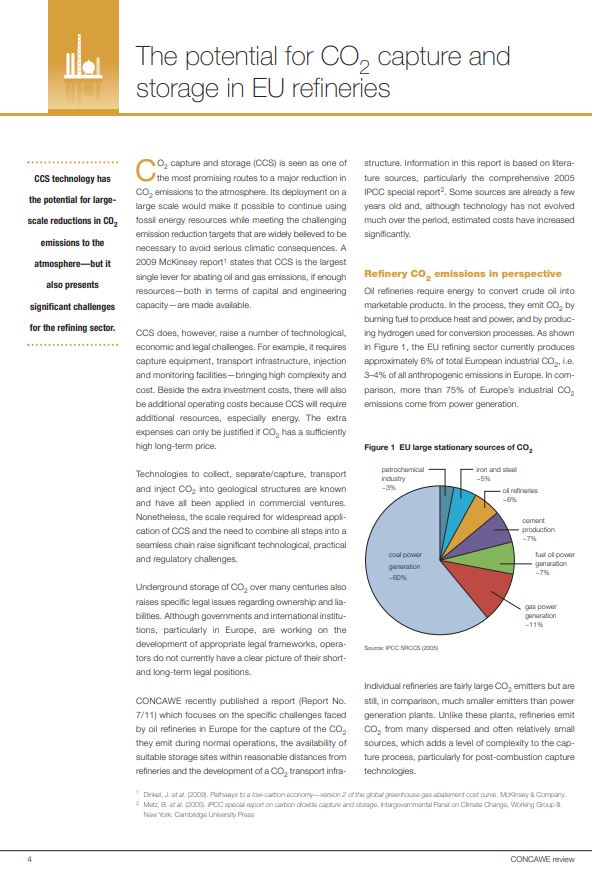
Europe’s fuel manufacturing sector is undergoing significant transformation driven by changing demand, evolving regulation, technological innovation, and the need to reduce greenhouse gas emissions. At the same time, liquid and gaseous fuels are expected to remain important for sectors where alternatives remain limited, including aviation, maritime transport, petrochemicals, defence, and other hard-to-abate applications. Concawe uses analytical and modelling capabilities to assess refinery transformation strategies, renewable and low-carbon fuel pathways, energy efficiency improvements, hydrogen deployment, carbon capture technologies, and the role of existing industrial assets in supporting the scale-up of renewable and low-carbon fuels while maintaining security of supply and industrial capability.
Sustainable Feedstocks and Low-Carbon Fuels
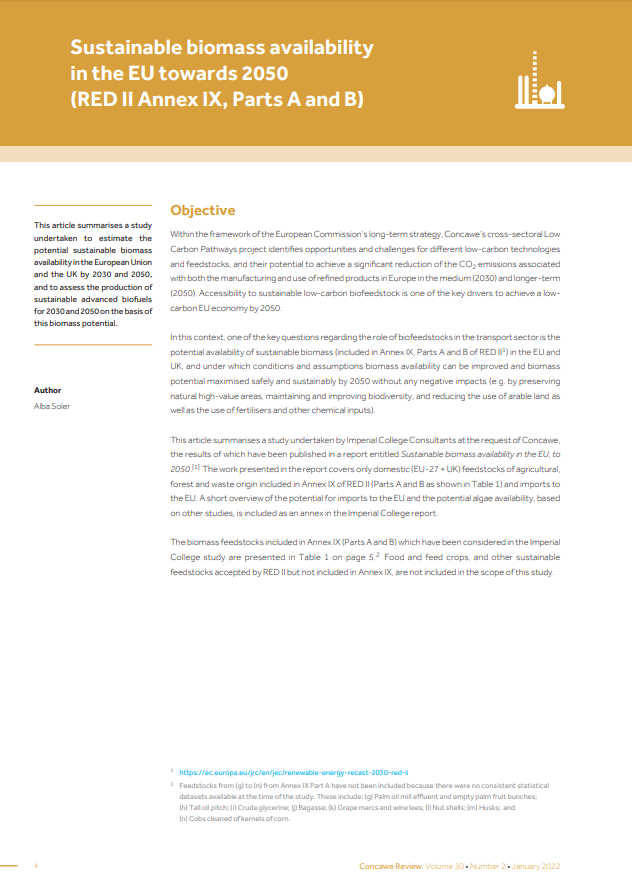
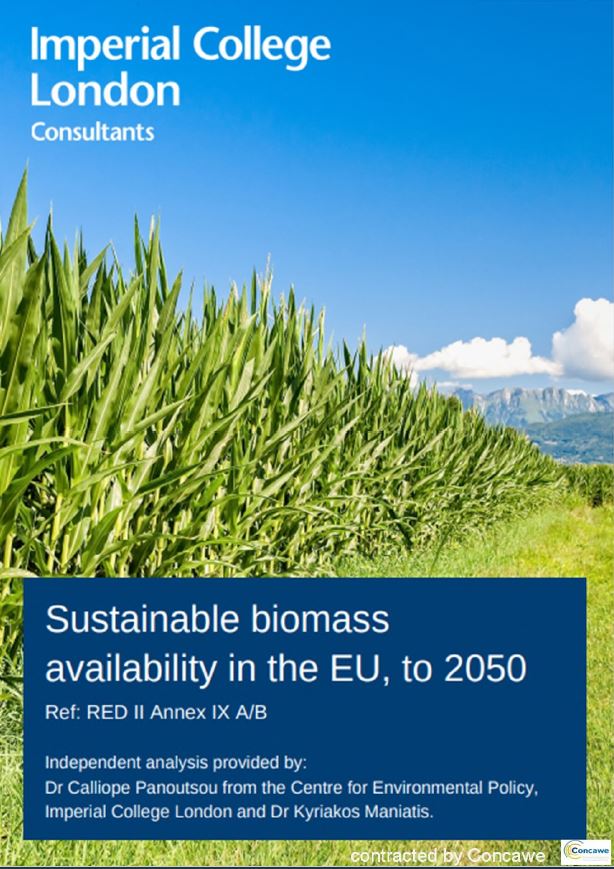
The availability of sustainable feedstocks is a critical factor influencing the future production of renewable and low-carbon fuels. Concawe assesses a wide range of feedstock options, including biomass resources, waste and residue streams, renewable hydrogen, recycled carbon sources, and synthetic fuel pathways. These assessments consider feedstock availability, sustainability performance, supply chain requirements, biodiversity implications, land-use considerations, greenhouse gas emissions, and interactions with other bio-based sectors competing for the same resources.
Concawe also evaluates fuel production pathways and their associated energy, greenhouse gas, and cost performance using robust life-cycle assessment methodologies and harmonised analytical approaches. This work contributes to a science-based understanding of the opportunities, limitations, and resource requirements associated with scaling renewable and low-carbon fuels across Europe.
Competitiveness, Investment and Industrial Transformation
The pace and scale of industrial transformation depend not only on technological progress but also on the economic and regulatory conditions that enable investment. Concawe therefore examines the interactions between industrial competitiveness, policy frameworks, emissions trading systems, carbon leakage risks, and other factors that influence investment decisions and the deployment of renewable and low-carbon fuel production capacity in Europe. This work provides a technical basis for understanding the conditions required to support industrial transformation while maintaining competitiveness and security of supply.
Infrastructure and Logistics
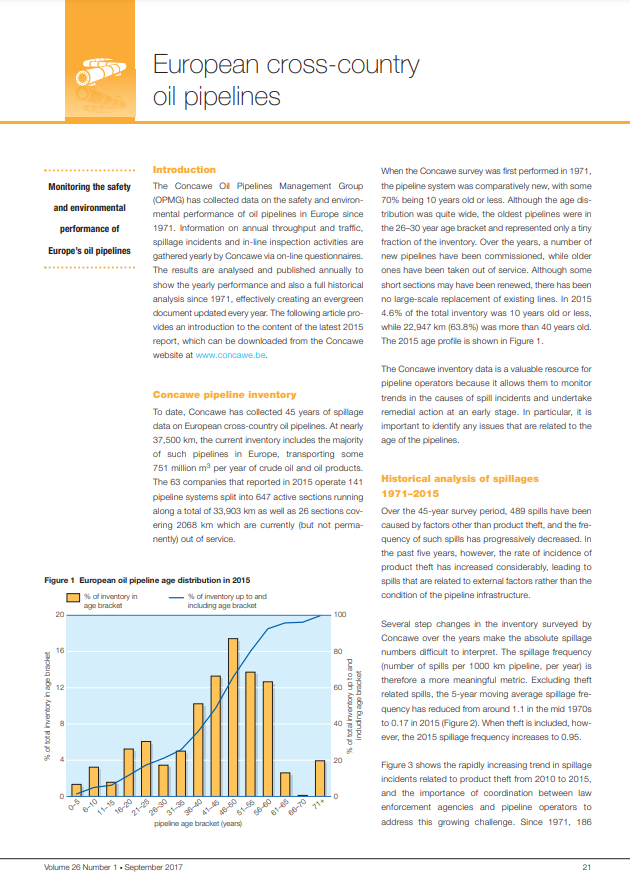
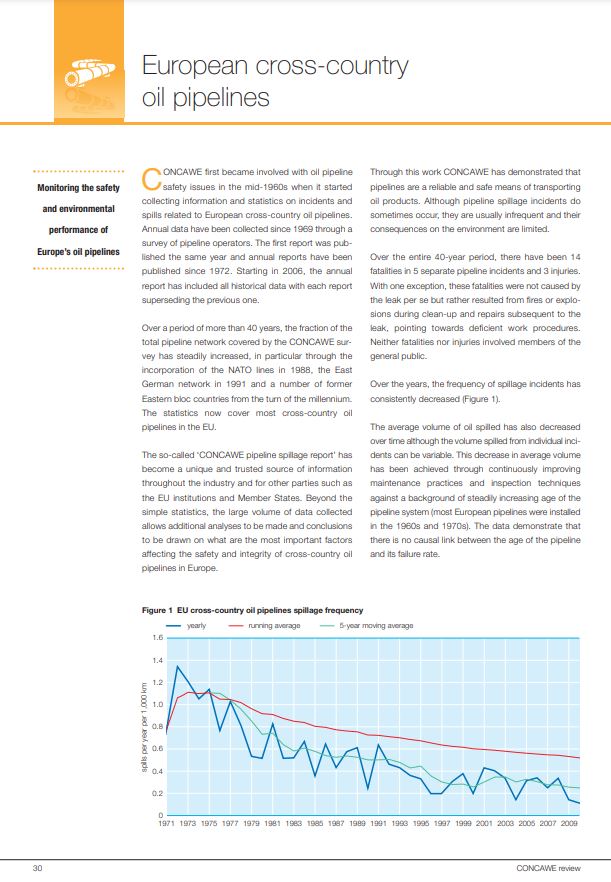
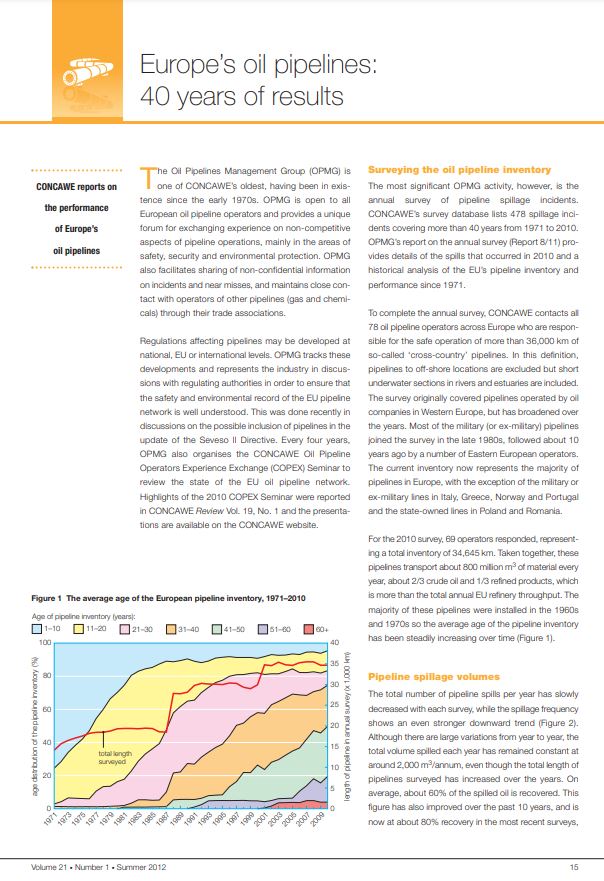
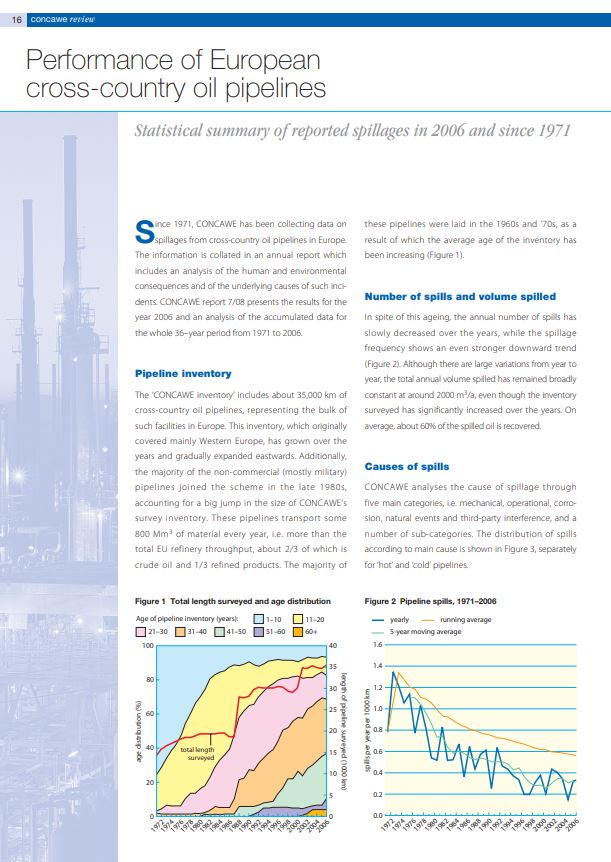
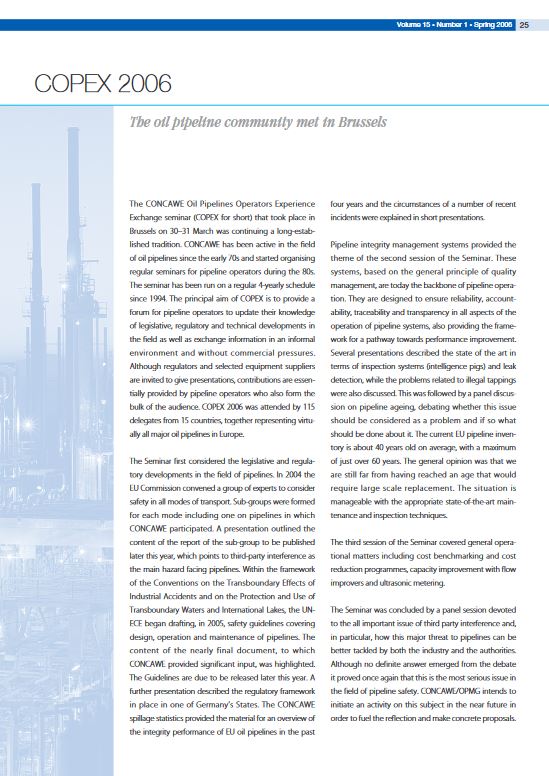
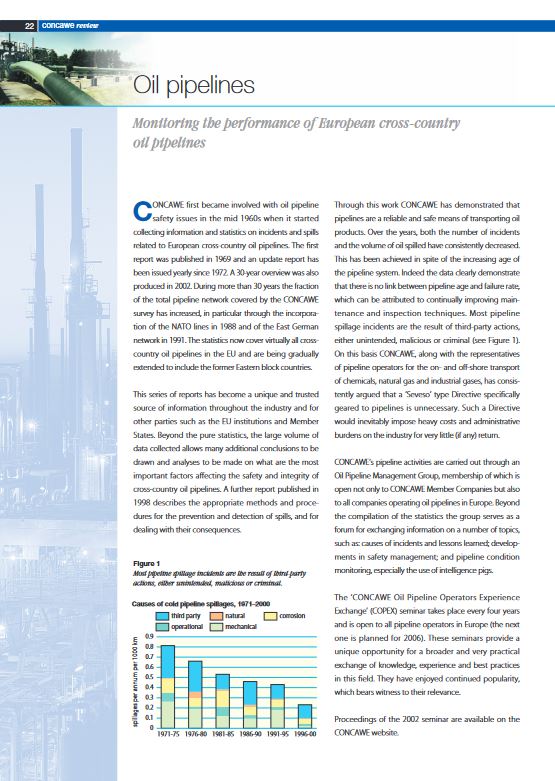
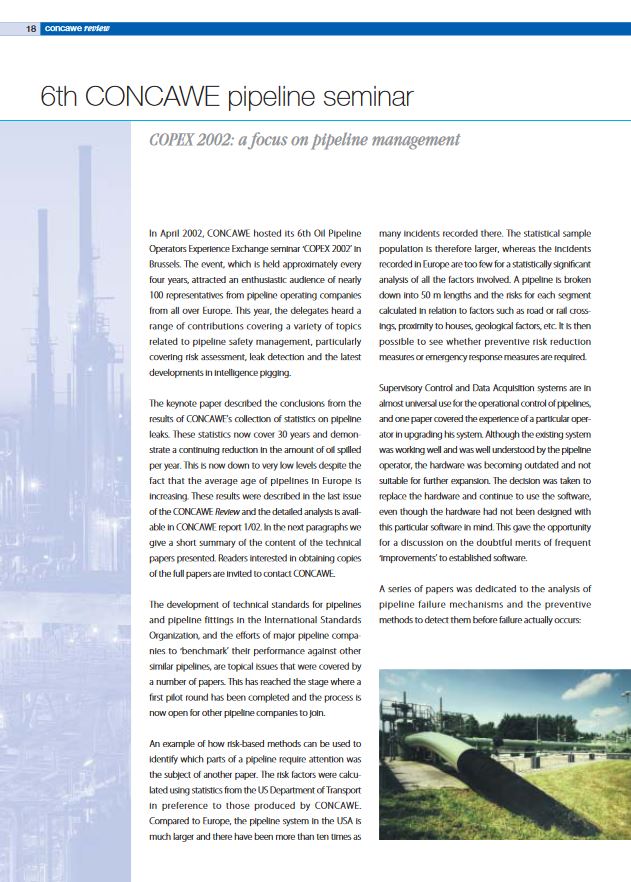
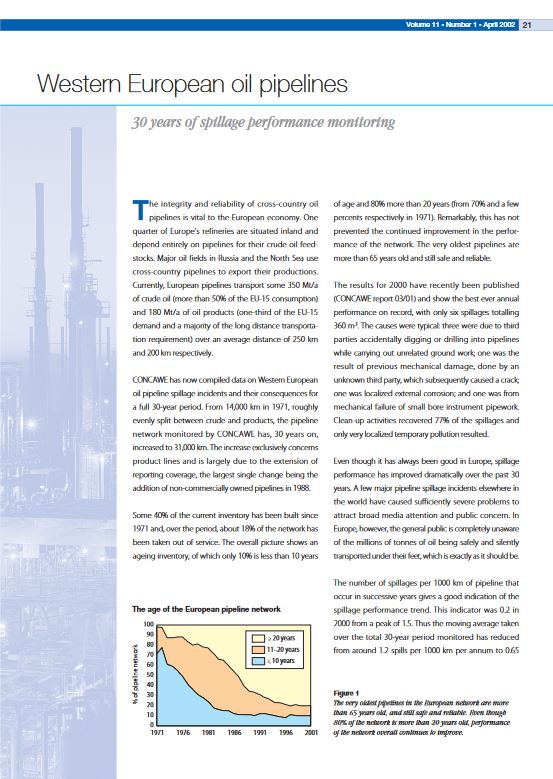
The transition of fuel manufacturing systems depends on the infrastructure required to transport feedstocks, intermediates, and finished products. Reliable logistics networks remain essential to maintaining energy supply while enabling the deployment of new fuel production pathways and feedstock sources. Pipelines remain an established, safe, and efficient means of transporting crude oil and petroleum products across Europe.
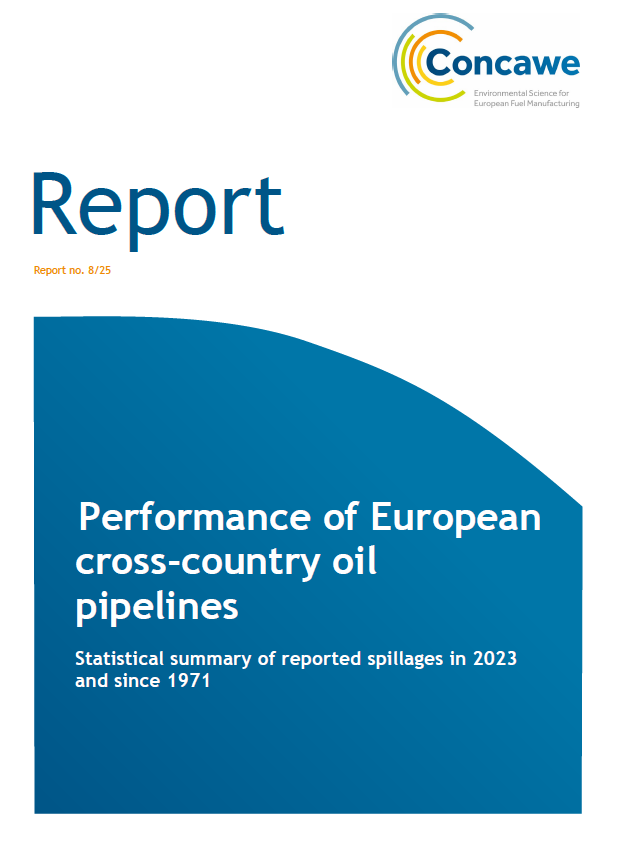
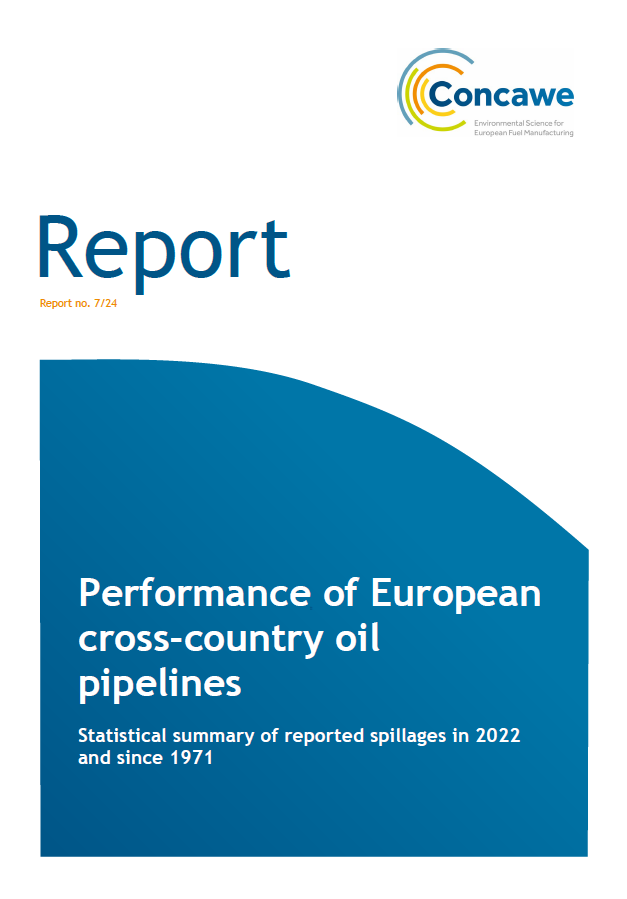
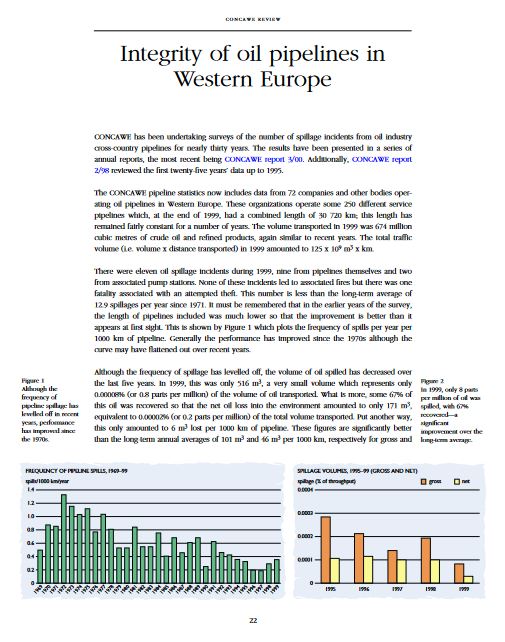
Since 1971, Concawe has collected and analysed information on pipeline incidents and spills across Europe. These analyses support continuous improvement in operational practices, environmental performance, infrastructure integrity, and the exchange of technical knowledge across the sector.
Publications and Knowledge Sharing
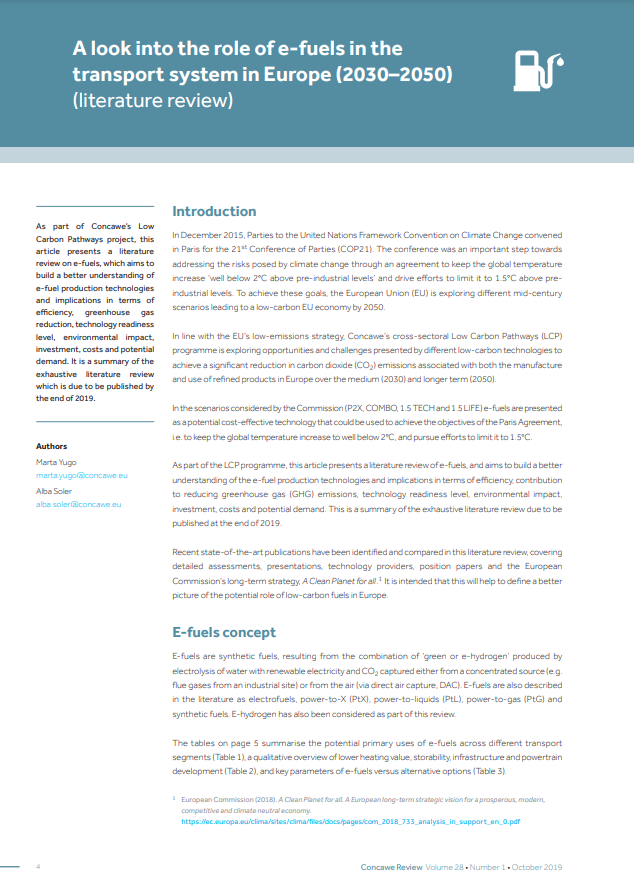
Concawe publishes scientific studies, technical reports, models, databases, and other resources covering fuel manufacturing, sustainable feedstocks, renewable and low-carbon fuels, life-cycle greenhouse gas assessment, industrial transformation, infrastructure, and supply chains. Through these activities, Concawe provides transparent, evidence-based insights to improve understanding of how fuel manufacturing systems and associated value chains can evolve to support greenhouse gas reductions while continuing to provide secure, affordable, and reliable energy products and industrial feedstocks for European society and industry.